Car Engine Warning Lights Explained

Modern cars come with different warning lights on the dashboard to alert you about possible issues. Understanding these lights is very important for your safety and your car’s health.
Many drivers ignore these warnings, which can lead to serious problems. Let’s understand the most important warning lights in a simple way.
Common Warning Lights and Their Meaning
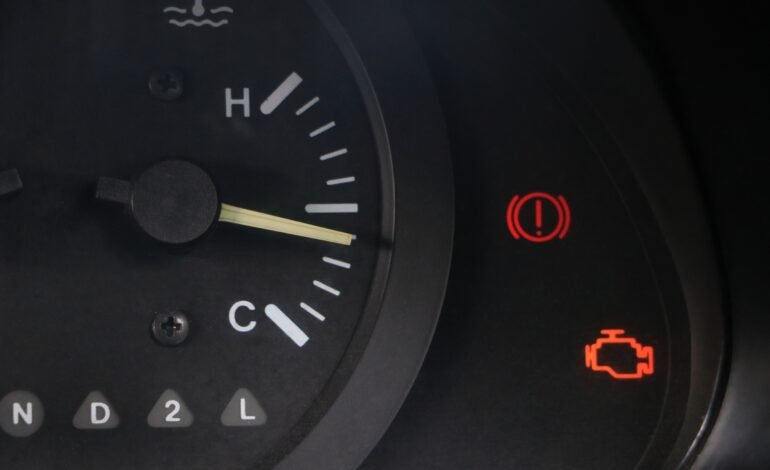
The engine check light is one of the most common warnings. It can indicate anything from a minor issue to a serious engine problem.
The oil pressure warning light means your engine oil level or pressure is low. This needs immediate attention to avoid engine damage.
The battery warning light indicates a problem with the charging system. It could be related to the battery or alternator.
The brake warning light shows an issue with the braking system. It should never be ignored as it affects safety.
What You Should Do
If a warning light appears, do not panic, but do not ignore it either. Check your car manual to understand the issue.
For serious warnings like engine or oil light, it is better to stop the car and get it checked immediately.
For minor warnings, you can drive carefully to a service center and get it inspected.
Importance of Understanding Warning Lights
Knowing what these lights mean helps you take quick action and avoid bigger damage.
It also improves safety, as some warnings are related to critical systems like brakes and engine.
“Dashboard warning lights are your car’s way of telling you something is wrong, never ignore them.”
Final Conclusion
Understanding engine warning lights is essential for every car owner.
By paying attention to these signals and acting quickly, you can prevent major problems and keep your car safe and reliable.